
Official style acquisition

Download HandBrake with integrity checks you can explain to IT
Version transparency, verification habits, and common security conversations around widely distributed open source utilities.
Interface preview
The same layout assets used across this site. Select any panel to inspect it full size before you install.
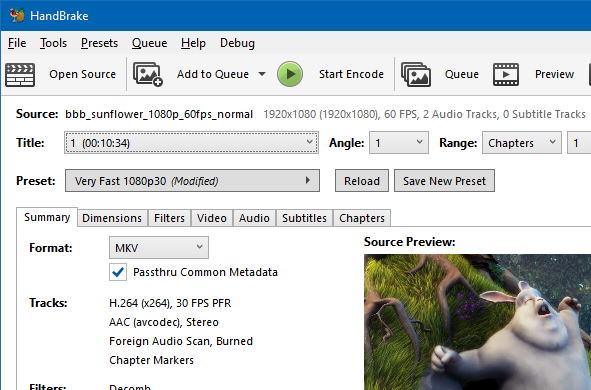
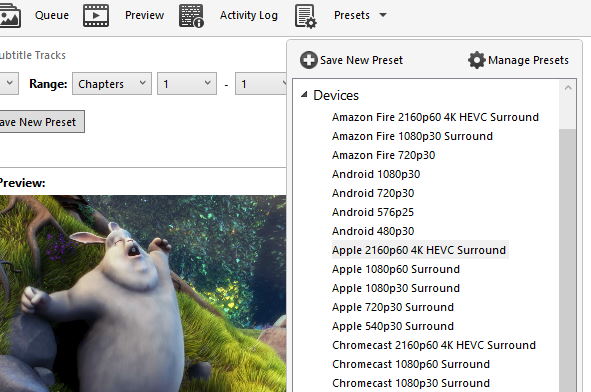
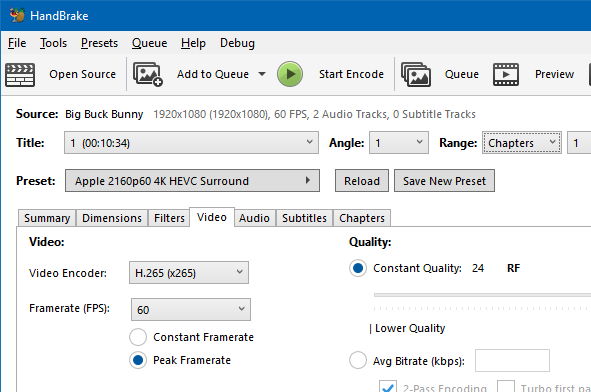
Latest release snapshot
Community releases move quickly. Confirm the newest supported release line on your change record before upgrading fleet machines.
- Product
- HandBrake
- Highlighted version
- 1.11.1
- Platforms
- Windows 10 and later, macOS, Linux
- License
- Open source, GPLv2 family licensing for the project
Installers
Installer rows are presented without navigation targets.
SHA hashes and why they matter
A SHA256 digest is a compact fingerprint of a file. If a single byte changes, the digest changes. IT teams use hashes to prove that the installer on an internal mirror is identical to the installer that security reviewed.
How verification fits into onboarding
- Download the installer from your approved mirror.
- Compute SHA256 locally using your standard toolset.
- Compare the digest to the value on your signed change ticket.
- Reject the file on any mismatch, even if “it probably downloaded fine.”
Example digest layout
Illustrative formatting only. Match values to your internal build record entries.
file: HandBrake-1.11.1-x86_64-Win_GUI.exe
sha256: 8f3c2a1b9e0d4c7a6b5e4d3c2b1a09f8e7d6c5b4a39281706f5e4d3c2b1a0987
sha1: 0a1b2c3d4e5f678901234567890123456789abcd
Antivirus false positives and noisy heuristics
Popular encoders ship fast moving binaries, unpackers, and high performance native code. Some defensive products score those traits aggressively. A false positive is still disruptive: it erodes trust, blocks installs, and creates help desk load.
What to tell users
Explain that security tools can disagree, and that your organization relies on hash verification and allow listing, not rumor.
What to tell security
Provide reproducible evidence: vendor, version, digest, and the internal ticket that approved the mirror.
What not to do
Do not train people to disable protections permanently. Use controlled exceptions tied to verified files.
If you need a deeper walkthrough, read Antivirus warnings in Guides and the legal framing in FAQ.
Security and integrity program checklist
Supply chain hygiene
One mirror, one owner team, periodic revalidation, and explicit retirement of old installers.
Operational logging
Record who bumped the internal “approved version” field and attach release notes.
